Pros and Cons of Magnetic Track Lights: Is It Right for Your Home?

Magne
Magnetic track lights are revolutionizing modern lighting with their sleek design and unmatched flexibility. But before you invest in this innovative system, it’s crucial to weigh its advantages and limitations. This comprehensive guide examines the key pros and cons of magnetic track lighting to help you determine if it’s the ideal solution for your space.
Understanding Magnetic Track Lighting
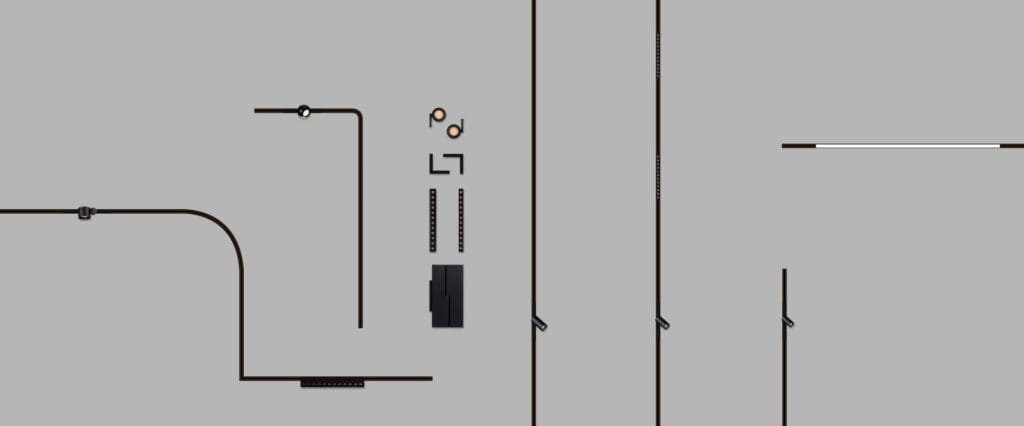
Unlike traditional track lights that require mechanical fasteners, magnetic track lights utilize powerful magnets for tool-free installation and effortless reconfiguration. This system consists of:
- An electrified track (typically 1-5 meters)
- Magnetic light fixtures (spotlights, pendants, or floodlights)
- A power connector
The modular nature of magnetic track lighting makes it perfect for residential and commercial applications where lighting needs frequently change.
Key Advantages of Magnetic Track Lights
1. Effortless Installation & Adjustability
The standout feature is the instant magnetic attachment – no screws, clips, or electrician required. Homeowners report installation in under 15 minutes versus hours for wired systems.
2. Unmatched Design Flexibility
- Reposition lights along the track in seconds
- Mix fixture types (combine spotlights with hanging pendants)
- Expandable system by adding more track sections
This makes magnetic track lighting ideal for:
✔️ Kitchen islands (adjust as cabinetry changes)
✔️ Art galleries (reposition to highlight new pieces)
✔️ Retail stores (seasonal display lighting)
3. Modern Aesthetic Appeal
The ultra-slim profile (typically just 1-2cm tall) creates clean sightlines perfect for contemporary interiors. Available in black, white, and metallic finishes to match any decor.
4. Energy Efficiency
Most systems use LED magnetic track lights consuming 80% less energy than halogens while lasting 25,000+ hours. Smart-compatible options allow voice/app control for additional savings.
Potential Drawbacks to Consider
1. Higher Upfront Investment
Quality magnetic track lighting systems cost 20-50% more than basic wired tracks. However, the long-term savings in energy and labor often justify the premium.
2. Weight Limitations
While standard fixtures stay secure, heavier pendants (over 5lbs) may require supplemental support on cheaper magnetic tracks. Premium brands like WAC Lighting offer stronger hold.
3. Not Ideal for All Ceilings
Best suited for standard 8-10ft ceilings. For vaulted ceilings above 12ft, consider:
- Higher lumen (2000+ lm) fixtures
- Additional track runs for proper coverage
4. Limited Fixture Compatibility
Proprietary systems may restrict third-party fixture options. Always verify:
◉ Voltage compatibility (12V vs 24V systems)
◉ Magnetic attachment strength
Who Benefits Most from Magnetic Track Lighting?
Perfect For:
- Home renovators wanting future-proof lighting
- Renters needing non-permanent solutions
- Designers creating dynamic lighting schemes
Less Suitable For:
- Budget-focused projects under $200
- Industrial spaces needing ultra-heavy-duty fixtures
- Outdoor/wet location applications
Expert Recommendation
For most residential applications, magnetic track lighting offers the perfect balance of form and function. The initial investment pays dividends in:
✓ Reduced installation costs
✓ Long-term energy savings
✓ Unlimited design flexibility

开启新对话
Magnetic vs Traditional Track Lights: 5 Key Differences Explained
Choosing the right track lighting system can significantly impact your space’s functionality and aesthetics. Magnetic track lights and traditional track lights each have unique advantages, but which one is best for your needs? This guide breaks down the five key differences between these two systems to help you make an informed decision.
1. Installation: Tool-Free vs Hardwired
Magnetic Track Lights
- Tool-free installation – Fixtures snap onto the track via magnets, making setup quick and easy.
- No electrician required – Ideal for renters or DIY enthusiasts.
- Adjustable positioning – Lights can be moved or replaced without tools.
Traditional Track Lights
- Hardwired installation – Requires screws, clips, and sometimes professional help.
- Permanent fixture mounting – Repositioning lights involves unscrewing and rewiring.
- More secure for heavy fixtures – Better suited for large pendants or chandeliers.
Best for Easy Installation: Magnetic track lights win for simplicity and flexibility.
2. Flexibility & Customization
Magnetic Track Lights
- Modular design – Add, remove, or rearrange lights in seconds.
- Expandable system – Connect multiple tracks for larger spaces.
- Mix-and-match fixtures – Combine spotlights, pendants, and floodlights.
Traditional Track Lights
- Limited adjustability – Fixtures are fixed in place unless manually adjusted.
- Less expandable – Adding more lights may require rewiring.
- Fewer design options – Typically limited to basic track heads.
Best for Customization: Magnetic track lighting offers superior flexibility.
3. Aesthetics & Design
Magnetic Track Lights
- Sleek, low-profile design – Minimalist look blends with modern interiors.
- Hidden magnets – Clean appearance with no visible screws or clips.
- Multiple finishes – Available in black, white, silver, and gold.
Traditional Track Lights
- Bulkier appearance – More noticeable hardware and mounting mechanisms.
- Industrial or utilitarian look – Better suited for commercial spaces.
- Limited style options – Fewer design variations compared to magnetic systems.
Best for Modern Aesthetics: Magnetic track lights provide a more polished look.
4. Cost Comparison
Magnetic Track Lights
- Higher upfront cost – More expensive than traditional systems.
- Long-term savings – Energy-efficient LEDs reduce electricity bills.
- Worth the investment – Ideal for those who value flexibility and design.
Traditional Track Lights
- Lower initial price – Budget-friendly for basic lighting needs.
- Higher labor costs – May require professional installation.
- Less future-proof – Limited adaptability over time.
Best for Budget Buyers: Traditional track lights are cheaper upfront, but magnetic systems offer better long-term value.
5. Performance & Durability
Magnetic Track Lights
- Strong magnetic hold – High-quality systems keep fixtures secure.
- LED compatibility – Most models support energy-efficient lighting.
- Potential for sagging – Cheaper brands may have weaker magnets.
Traditional Track Lights
- Mechanically secured – More stable for heavy fixtures.
- Wider voltage options – Works with both low-voltage and line-voltage systems.
- Long-term reliability – Proven durability in commercial settings.
Best for Heavy-Duty Use: Traditional track lights are better for industrial or high-ceiling applications.
Final Verdict: Which Should You Choose?
Choose Magnetic Track Lights If You Want:
✔️ Easy, tool-free installation
✔️ Flexible and customizable lighting
✔️ A modern, minimalist design
✔️ Smart home compatibility (dimmable & app-controlled options)
Choose Traditional Track Lights If You Prefer:
✔️ Lower upfront cost
✔️ Heavy-duty stability for large fixtures
✔️ Simple, no-frills lighting for basements or garages